
Running moves with confidence: The simple rules that help young players create space
Dec 14, 2025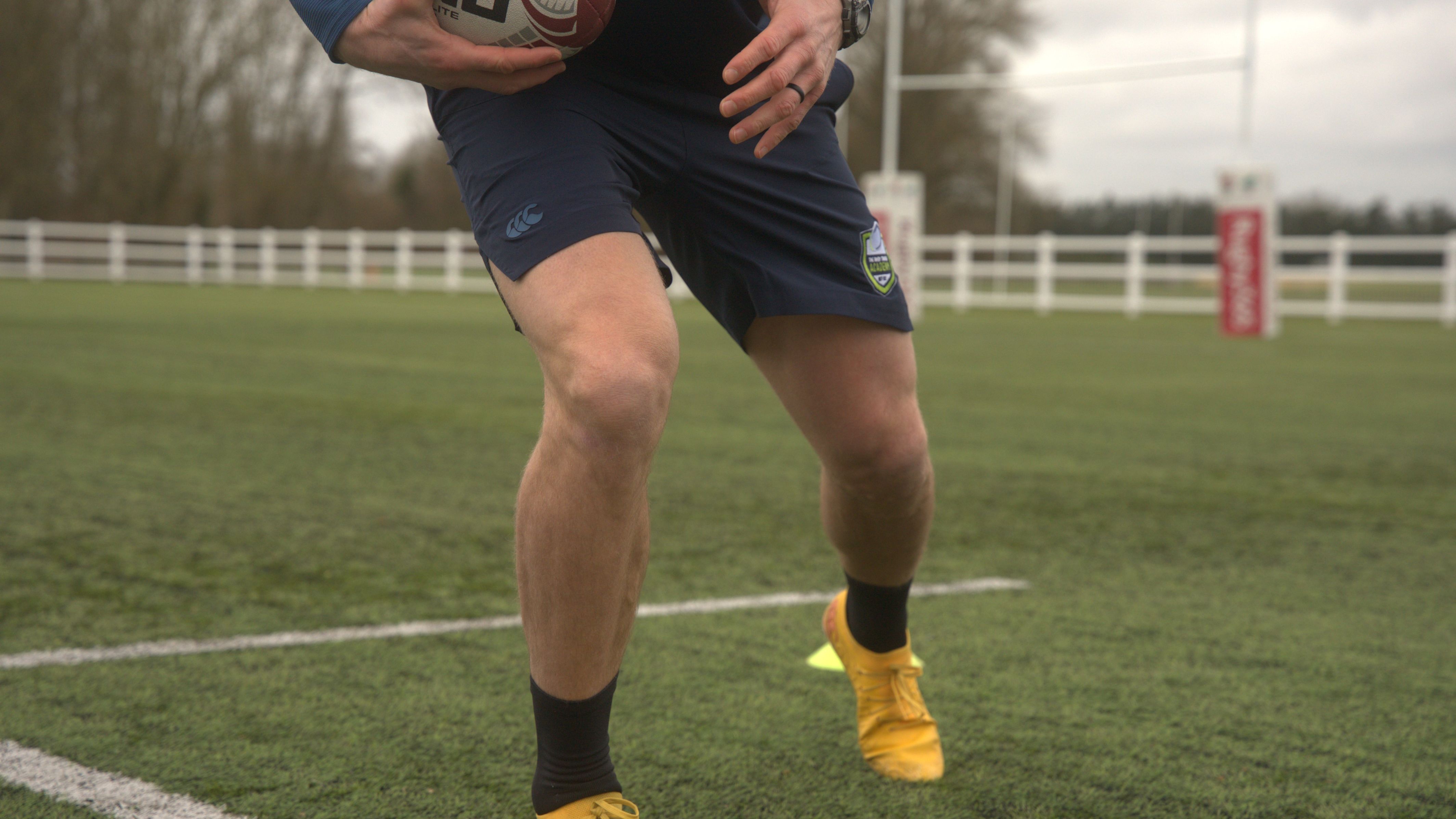
When players hear the phrase “running moves”, they often imagine something complicated. Lots of calls, lots of patterns, and something that looks like the professional game.
But the best junior rugby is usually much simpler than that. Some of the best attacking play comes from accurate passing, sharp footwork, and the confidence to move the ball to space at pace. When players can do that well, they are already difficult to defend.
As players get older and defences become more organised, structured moves can be useful. But only if players understand why they are running them. The goal is never to run a move for the sake of it. The goal is to create an advantage and then have the clarity to take it.
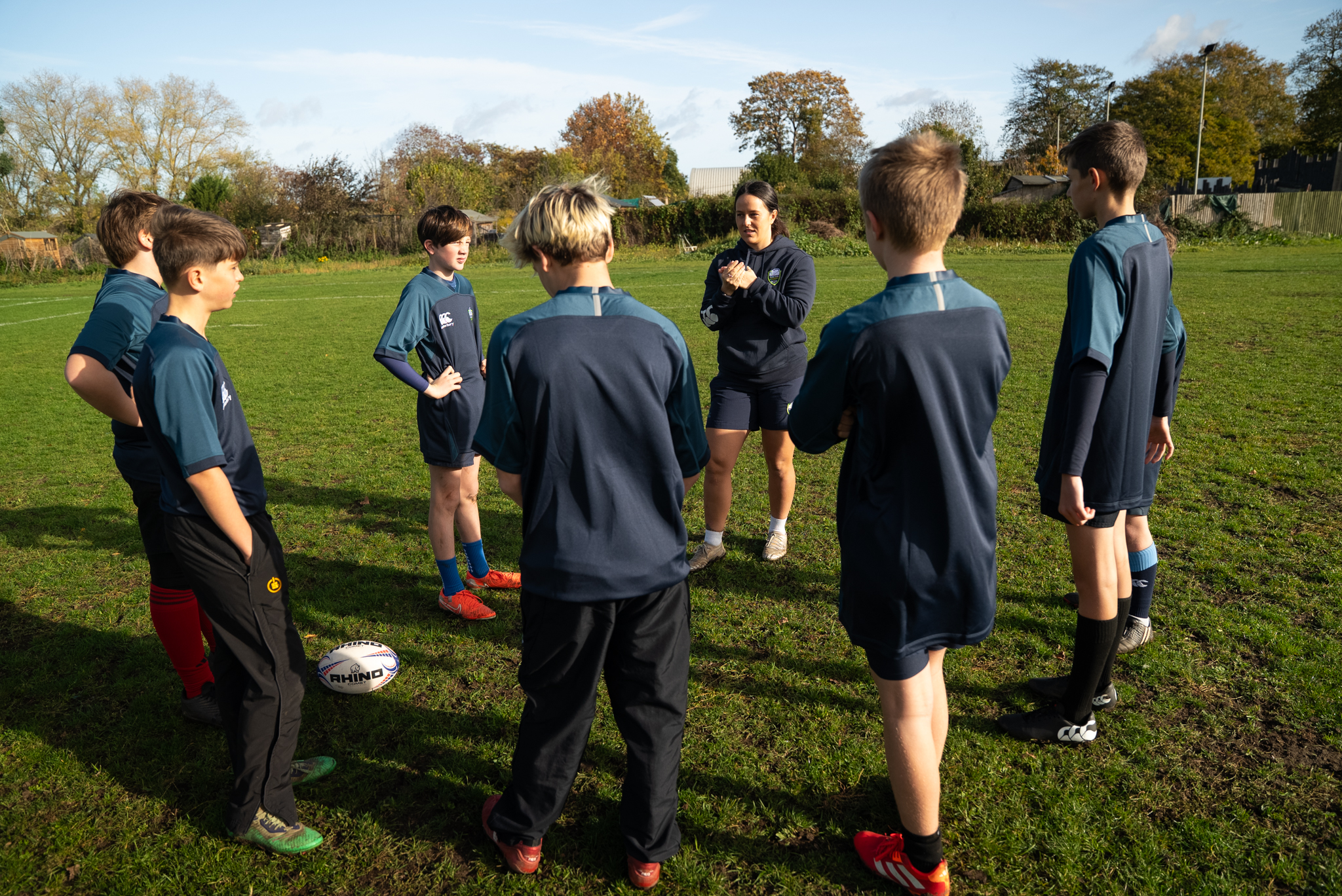
In the latest monthly webinar within The RTA Squad, Ben talked through how to run moves with confidence, and how a young player should be approaching this integral part of the game.
Why do we run moves?
Moves are not there to look clever. They exist to create space by forcing defenders to make decisions under pressure.
A good move disrupts the defensive line, pulls one defender out of position, and creates an advantage the attack can actually use. In junior rugby, the most important advantage is always the same.
You are trying to create a 2v1.
If a move does not create a 2v1 somewhere, it is unlikely to be effective. It might look busy, but it is probably just sideways movement that allows the defence to stay comfortable.
When should you run a move?
A simple rule for junior players is that if there is obvious space, you do not need a move. When the defence is stretched or disconnected, the best option is usually to keep it simple, move the ball early, and let footwork and passing do the work.
Moves become more valuable when the defence is set and flat, and when you are facing equal numbers where passing alone will not break the line. That is when a clear movement pattern can change the picture for defenders and force them to commit.
What is a move, really?
A move is not a call or a pattern. A move is a way of moving defenders so you can attack the space they leave behind.
That is why the best moves do not feel complicated when you watch them. They are built around one clear idea: isolate one defender and force them to make a choice.
That defender becomes the decision-maker. If they bite in, the ball goes out. If they drift out, the attack goes short or the ball carrier goes through the gap. Either way, the attack is reacting to what it sees, not guessing.
This is where confidence comes from. Players are not hoping something opens up. They are creating the opportunity and then making the right decision at speed.

The skill that makes every move more effective
Footwork is not something players use only when they are carrying the ball. It is a skill that underpins good attacking rugby because it changes pictures for defenders.
In a simple 1v1, running straight makes life easy for the defender. A small change can be enough to win space. Two simple movements show up again and again:
- Fading out slightly before cutting back in late
- Stepping in before bouncing out to the outside
Players are not doing this for style. They are doing it to force a defender to turn their hips, hesitate, and lose control of the space in front of them. When that same idea is applied in a 2v2 or 3v3, the impact is even greater. One sharp change of line at pace can pull a defender out of position and create an edge instantly.
Creating a 2v1 from equal numbers
When it is 3v3, there is rarely obvious space. That does not mean the attack is stuck. It simply means the space needs to be created.
A helpful way to think about it is that a 3v3 often becomes a 2v2 plus a 1v1. The aim is to turn one of those moments into a 2v1. That might come from fixing a defender on their inside shoulder, holding width to stretch them, or using footwork to change the picture late.
This is not about memorising patterns. It is about understanding how to manipulate one defender and then being accurate enough to finish the opportunity when it appears.
Why over-calling moves holds players back
One of the biggest problems with pre-called moves is that they often remove intent. When players know they are not getting the ball, they tend to jog, conserve energy, or drift. Defenders spot this immediately, and the move loses its threat before it even starts.
Effective attacking rugby works in a different way. Everyone runs as if they might get the ball.
When all runners are live, defenders hesitate. When defenders hesitate, gaps appear. When gaps appear, the passer has a simple job. They watch one defender, read the decision, and pick the correct option.
That is what confident rugby looks like. Clear pictures, quick decisions, and committed running.
The switch: effective only when it creates an advantage
Most junior teams use switches, but they only work when they create a real threat.
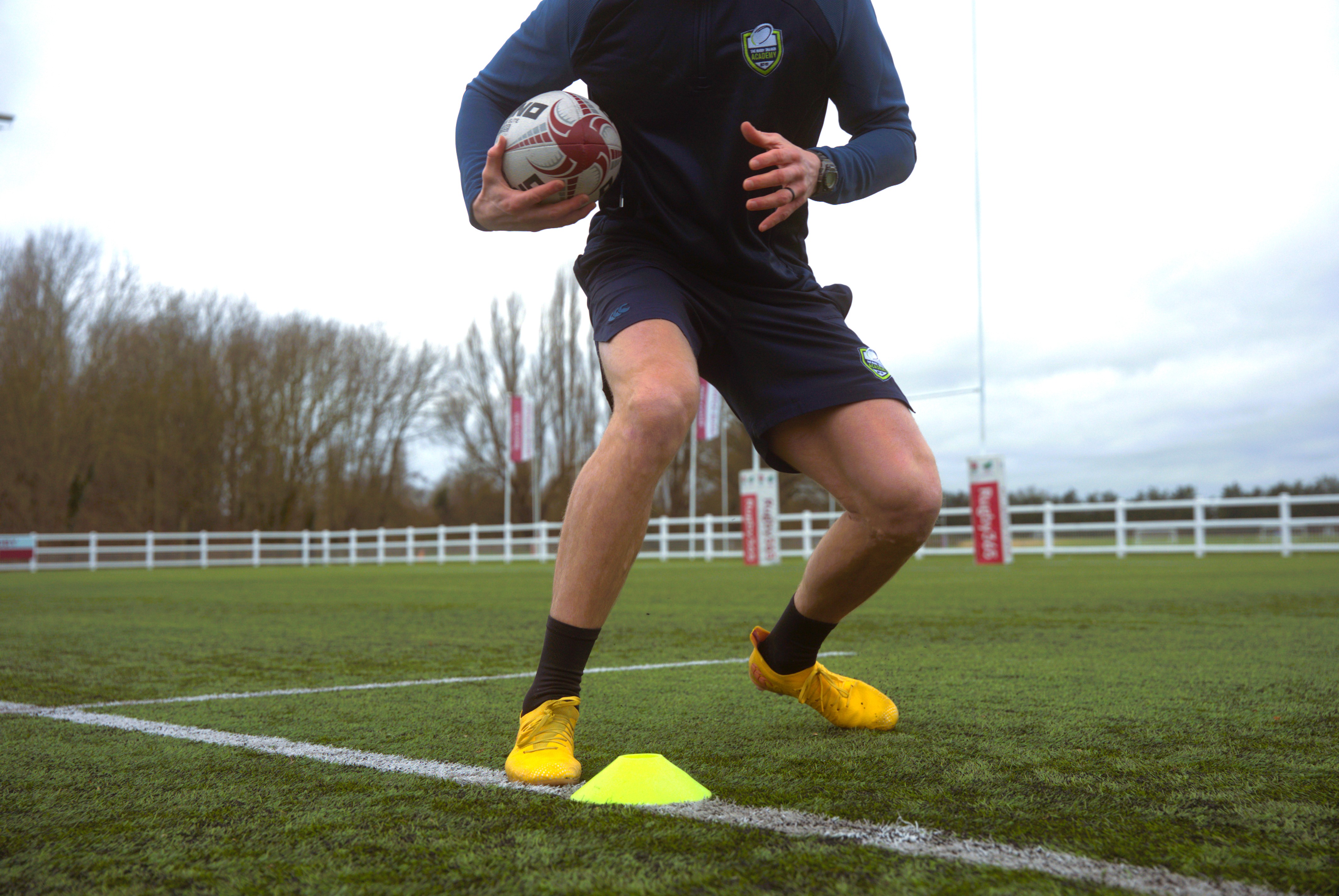
A poor switch is just two players swapping positions with no change in speed or intent. The defence does not move and nothing is created. A good switch starts with the ball carrier attacking the defender at full pace, fixing them, and then changing direction late. That moment of commitment is what opens space.
If players are going to run a switch, the focus should never be on the movement itself. It should always be on whether it creates a 2v1.
The block play: more advanced, same principle
For older players, block plays can be effective, with one runner going short and another running out the back. But even here, the principle stays the same. One defender is being isolated, and the ball goes based on their decision.
If the defender bites in, the ball goes out the back. If they drift out, the short option is on. The real skill is not knowing the call. It is having the clarity to read the defender and act at speed.
Keep it simple, but be accurate
Confidence in attack comes from clarity. The best moves are built on footwork, speed, and accuracy, not complexity.
Players do not need endless patterns. They need a small number of clear movement rules that help them create 2v1s and the confidence to execute them properly. When passing is accurate and early, defenders cannot load up. When footwork is sharp, defenders cannot sit still. When lines are hard, defenders cannot ignore runners.
That is when attacking rugby starts to feel simple, and that is when players begin to run moves with real confidence.

Take the next step
If your child wants to run moves with more confidence, the ability to pass accurately under pressure is non-negotiable. That is why we created The Spin Pass Guide, breaking down the key technical details that help players move the ball faster, flatter, and with greater control.
For players who benefit most from hands-on coaching, our February Masterclasses are still available, but some age groups are already selling out. Group sizes are capped, and once an age band is full, it closes.
If you are considering it, do not wait. Focused reps, clear coaching, and the right technical foundations are what drive fast improvement.